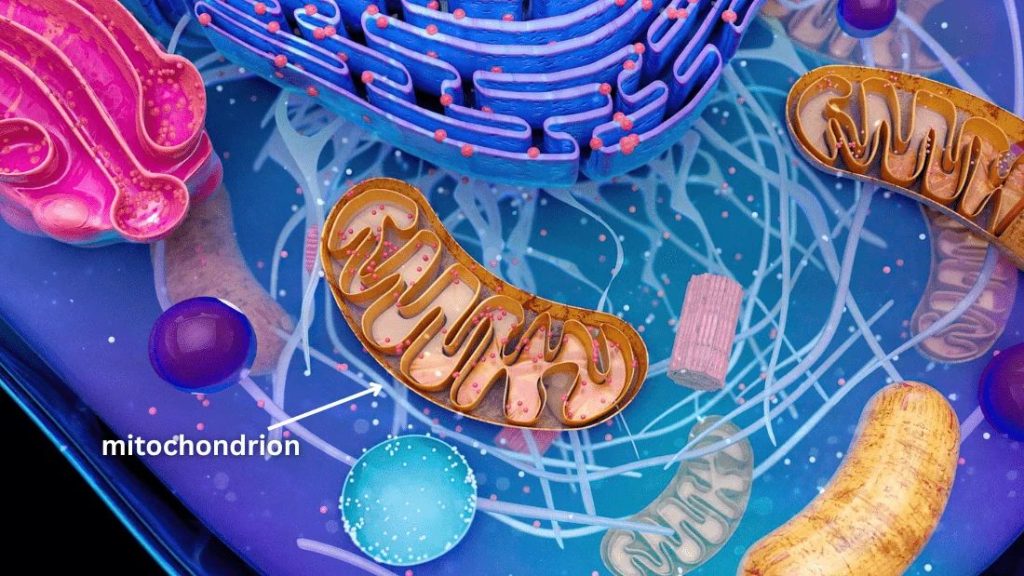
Are compounds that specifically protect the mitochondria—the energy-producing structures inside your cells—from damage caused by reactive oxygen species (ROS). Mitochondria generate energy (ATP) through respiration. During this process, they also produce ROS (free radicals). Too many ROS can damage mitochondrial DNA, proteins, and membranes, contributing to:
- Aging
- Neurodegenerative diseases (e.g., Parkinson’s, Alzheimer’s)
- Heart disease
- Metabolic disorders
- Fatigue and inflammation
Mitochondrial antioxidants are designed to reach the mitochondria directly and neutralize ROS where they are produced. Types of mitochondrial antioxidants
1. Natural mitochondrial antioxidants (made in the body or from diet) These support mitochondrial defense systems:
- Coenzyme Q10 (CoQ10) – part of the electron transport chain and an antioxidant
- Glutathione – major cellular antioxidant; mitochondria rely on it heavily
- Alpha-lipoic acid – works in mitochondria and helps regenerate other antioxidants
- Superoxide dismutase (SOD) – enzyme that converts superoxide radicals to safer molecules
2. Targeted mitochondrial antioxidants (designed to enter mitochondria) These are engineered to accumulate inside mitochondria more effectively:
- MitoQ – modified CoQ10 that concentrates in mitochondria
- SkQ1 – synthetic antioxidant targeting mitochondrial membranes
- SS-31 (Elamipretide) – peptide that stabilizes mitochondrial function
- MitoTEMPO – targets mitochondrial superoxide
These are used mainly in research and some clinical or supplement contexts.
Potential benefits being studied: Mitochondrial antioxidants are being researched for:
- Slowing cellular aging
- Improving energy and endurance
- Protecting brain and heart cells
- Reducing inflammation and oxidative stress
- Supporting metabolic health
Evidence varies by compound; some (like CoQ10) are widely used, while others remain experimental.